Cantors Assembly Solidarity Mission Day 2 Part 2
Day 2 Part 2
I’ve mentioned throughout my life that the most spiritual and impactful journeys of my life were not found in Israel or in the United States, but in the ravaged communities of Eastern Europe- to understand a vibrant history, the untold stories of 6 million of our people, made visiting the concentration camps more than just a place of massacre and loss; they became a place to share in not only how people died, but how they lived and how they should’ve lived for generations to come.
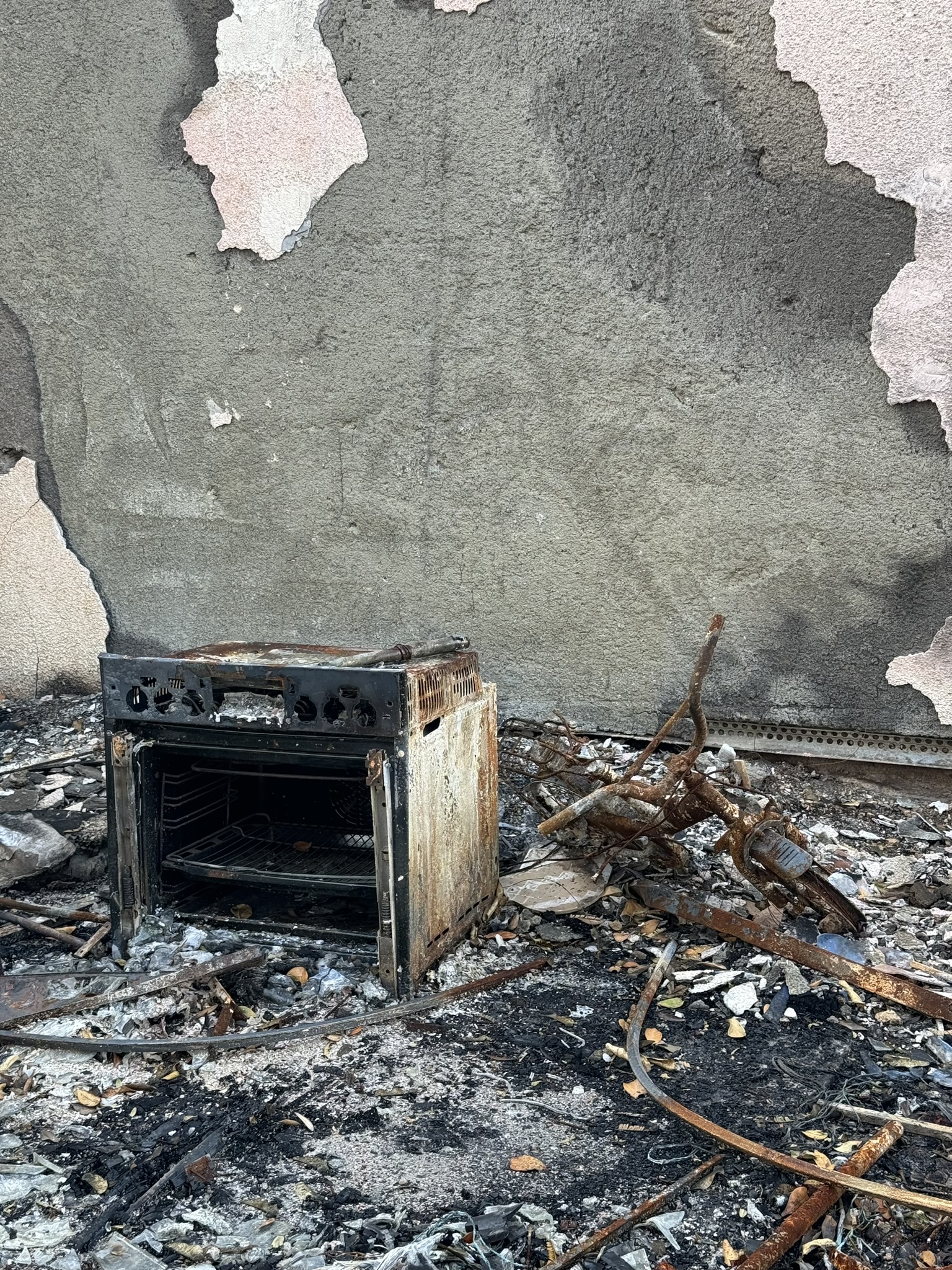
In many ways, visiting a place like Kfar Aza should come across as visiting a concentration camp- the smells, the sights of destruction, paired with the stories of atrocities and war crimes, are so overwhelming that I don’t know when I’ll fully process what I saw. And yet visiting Kfar Aza, led around the Kibbutz by a survivor who fought off 40 Hamas terrorists, is so far removed from any trip I ever made to Majdanek, Auschwitz, Dachau or any of the camps I’ve visited. For in truth, this is the balance of life here- Kfar Aza is the sight of a massacre, a shiva home to those who mourn, and ALSO a Wonderful place “ you should be jealous” our guide tells us that you would be living in a place like Kibbutz Kfar Aza, a privatized kibbutz home to over 900 members with a long waiting list to get in. This is a place that for now is frozen in time (sukkot are still up) and yet it is where the living want to return and will return, a place of loss AND a place, God willing, of life.
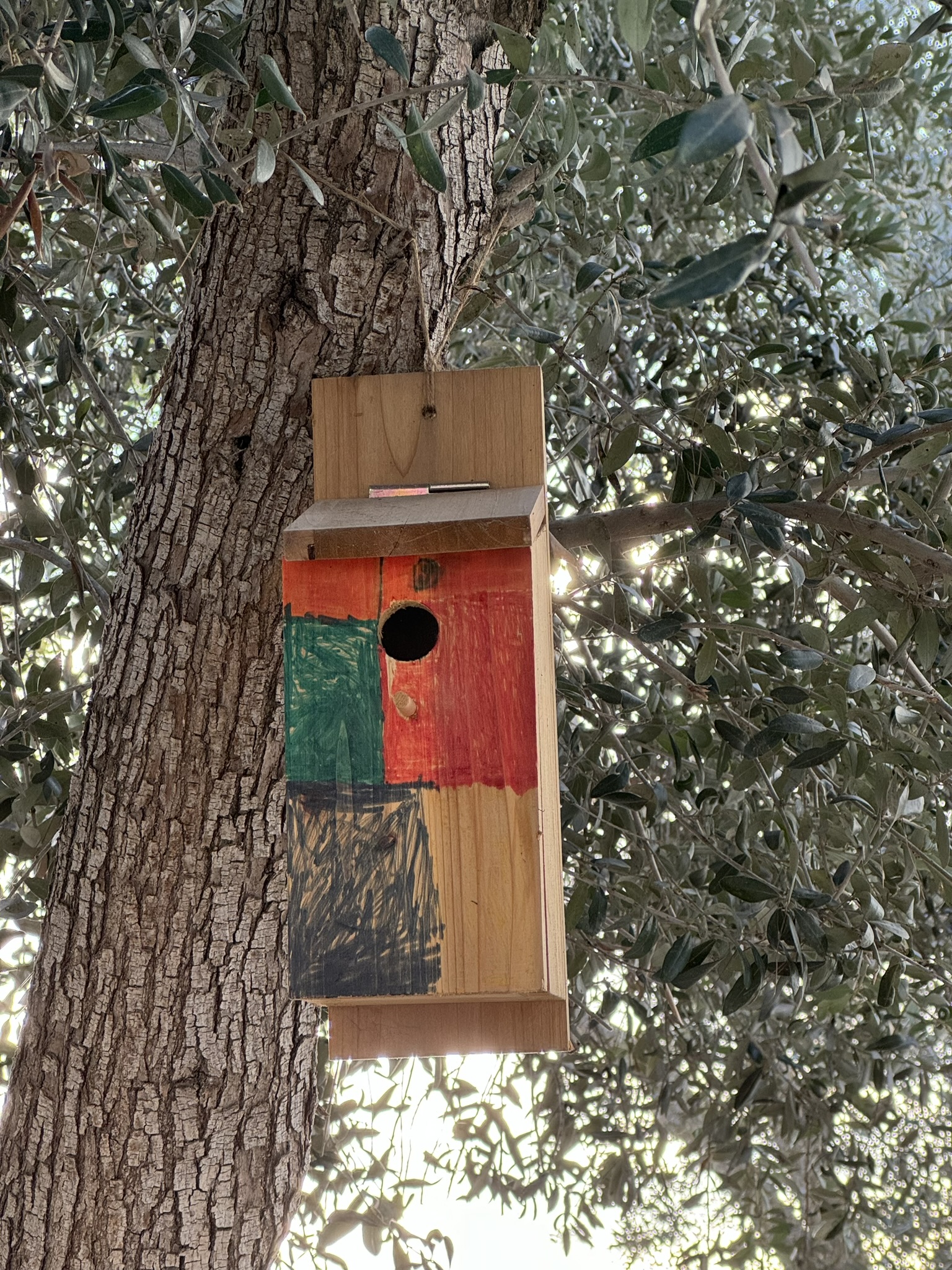
Before I continue with a few more details and photos on my blog, two photos of note- the first reminded me of a photo I took on a Cantors Assembly mission to Germany- a photo of a small flower growing out of the rubble of Dachau Concentration camp. As a number of missions and soldier groups have made their way through the crime scene, there are small gestures here and there to remind people that the people of Israel are here to be witnesses.
The second photo is a single card from the game “Spot it.” Seeing so much destruction is sensory overload, but finding this playing card within the rubble hit hard. All three of my children play this game at home with us. The goal is to match a single item from the dealt card with the card at the top of your pile. So metaphorically, I felt the importance to be that other card- to find one person, one anecdote that people might remember, so that they see the beauty of the members who were lost and who suffer the trauma of October 7, the hate and premeditated barbarism of Hamas, and the hope of what Kfar Aza may be for generations to come.


As we enter into Kfar Aza, our guide gives us a little context for this community:

950 members, more than 60 murdered; 10 kidnapped to Gaza, burned houses. The displacement shvaim (refugees) are in the south of Netanya – in hotel rooms or apartments/houses subsidized by the government and friends of the community.
We are met at the entrance by Gon who lives in Kfar Aza- a husband and father to a new baby. His brother, sister and parents all moved to Kfar Aza as well, because this is/was paradise. Some of the photos I’ll be sharing speak to this beauty (that even remains in parts of the kibbutz). they never thought something like this could happen, that 300 terrorists would massacre this community.
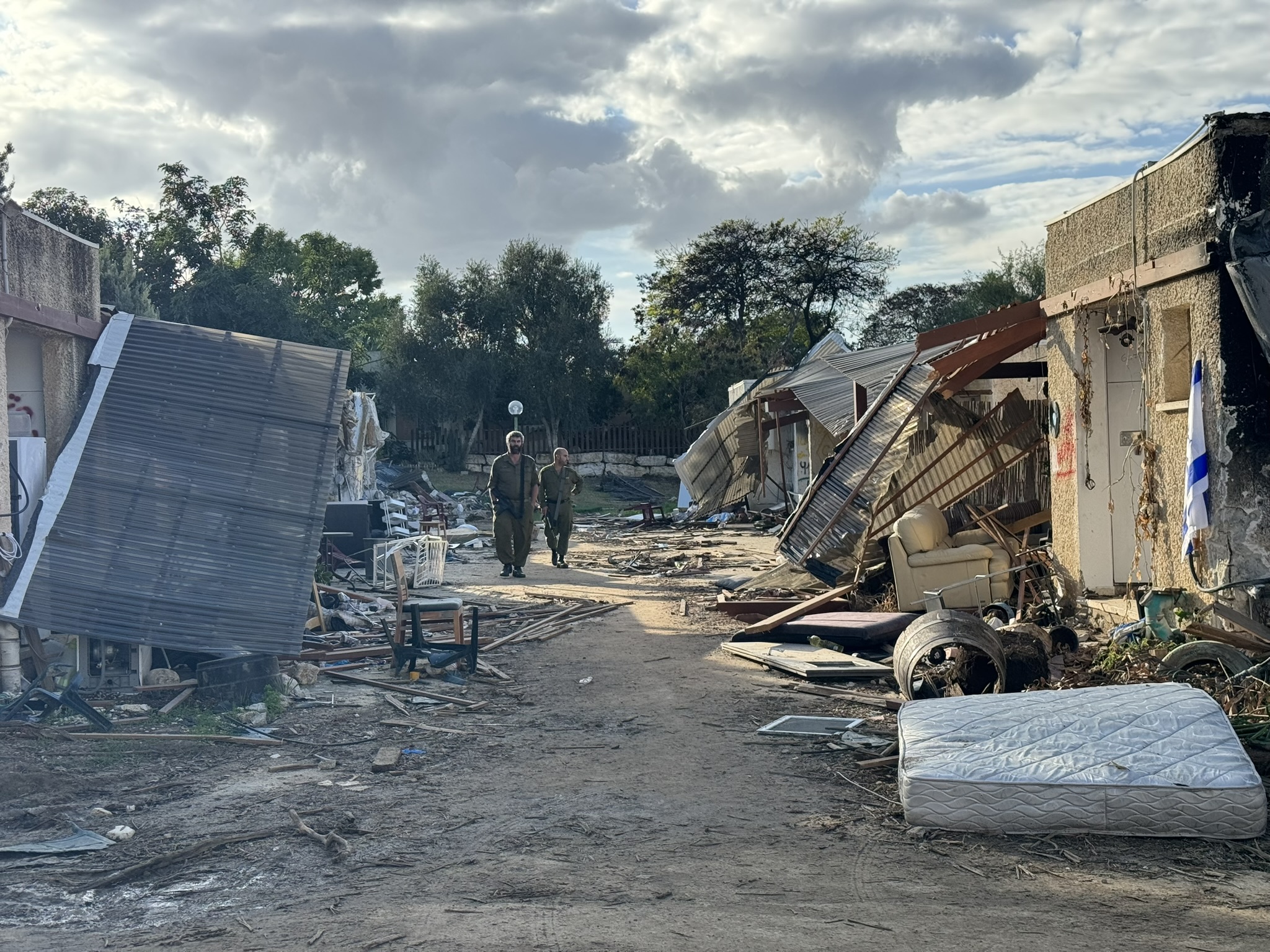
He explains that there were 3 waves of attack, led by Bakai (motorized gliders) that made their way over the Gaza border that morning and landed in five different places around the kibbutz. It’s clear that Hamas had a map (Google maps also has a clear outline of the kibbutz). The attackers knocked out the Kibbutz armory called the niishkiya- place where they held all the kibbutz’s weapons. This was just past 6:20 on the morning of October 7. By 7am, there were 100 terrorists in the kibbutz. Most of the destruction outlined in my photos is from the neighborhood known as Dor Hatzeir- a place where most of the young singles live- there are very few survivors of this neighborhood.
The battle went from Saturday to WEDNESDAY before the last wave of Hamas terrorists fled or were killed. We hear stories of heroism as WhatsApp and other forms of technology are used to warn kibbutzniks of what’s transpiring; we hear horror stories of safe rooms being anything from safe from the actions of Hamas (The “Mamad” safe room is not bullet proof, even if it is safe from the impact). The images of burned houses and safe rooms, bullet holes in one area are met with other images of neighborhoods that appear more intact – sukkot still up, little physical damage; although this does not reflect the mental toll on anyone who lived through this trauma.

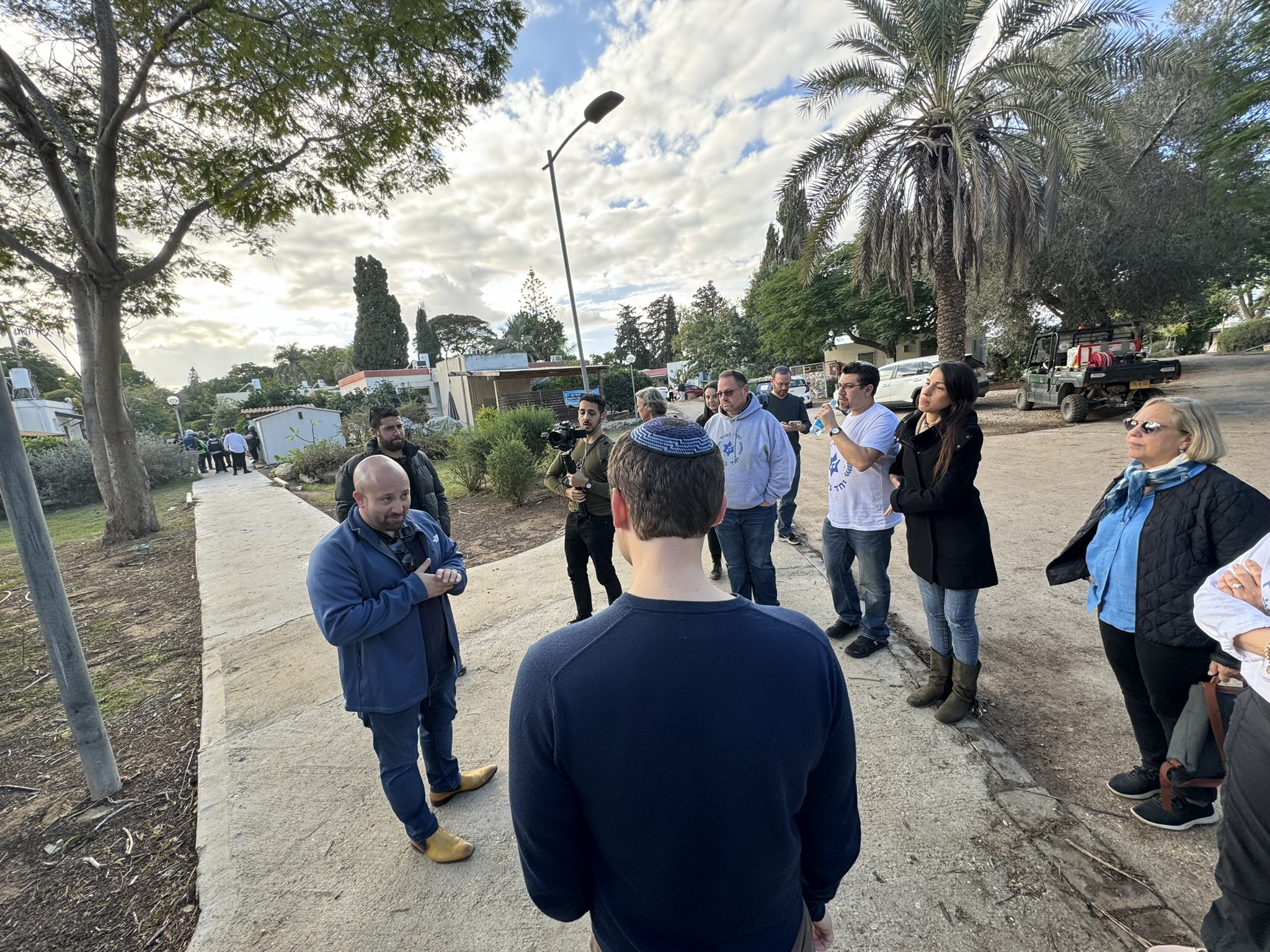











We ask Gon how he can walk around this space, so soon after experiencing this trauma. He says, “Many are not with us anymore. Someone needs to tell the story. And one day, we want to come back here (to live).” Elon futterman- friend of kfar aza and son of Conservative Rabbi Matt Futterman (who will mean shortly) says that there is a line of survivors waiting to tell their story…may there be lines of open minds and open hearts to hear it…
Our last destination before dinner, Ashkelon. We have a short visit with Rabbi Futterman, former counselor to Rabbi Jonathan Lubliner and former rabbi of a community in Ashkelon. We hear from Matt and three other community members. A few takeaways:

- We hear the ongoing narrative of ordinary people doing extraordinary things (also goes to what this government is NOT doing for its people), providing food, shelter and clothing for total strangers; a network of care unlike any we would ever see around the world.
- There are two lenses from which to see this war- the national level of grief/heaviness and the personal level (were YOU there when it happened)
- For context, 3 years ago, Ashkelon had 400 rockets fired on it over a period of weeks. This October, it was over 2000. Jokingly, a member says now with people evacuated it’s easy to find a place to park. But another talks about the jumpiness- when a group of kids heard a plane overhead, they ran to find shelter as a conditioned reflex. He worries about the mortal decision to take a shower when you have 15 seconds to get to shelter.
And yet…they keep on living. Every day, they package 5,000 packages for kids in shelters. The zoom Kabbalat Shabbat services of October are now the in person kiddushes of this past Shabbat (sound familiar). As one describes it, it’s jumping from the frying pan to the fire- there are people escaping TO Ashkelon.
A telling closing to our meeting- they offer support to US. They feel like everyone has their back, but feel sorry for what WE are going through- extra security, having to explain our right to exist!! And if not telling enough, they pitch moving to Ashkelon, the greatest city. Am Yisrael Chai
Posted on December 1, 2023, in CA Israel Mission. Bookmark the permalink. Leave a comment.


 Hazzan Jesse Holzer
Leave a comment
Comments 0